
Achilles’ Heel
In the bustling city of Capitol Heights, Senator James “Jim” Holbrook was a name that commanded respect and admiration. Known for his vibrant personality, charismatic speeches, and dynamic leadership, Jim had risen through the political ranks with unmatched fervour. His constituents adored him, and even his rivals begrudgingly acknowledged his prowess. However, Jim’s confidence often teetered into pride, and his sensitivity to criticism was an Achilles’ heel he carefully concealed behind his confident exterior.
One sunny afternoon, as the city prepared for the upcoming legislative session, Jim sat in his grand office, surrounded by aides and advisors. They were in the middle of strategizing their approach to a highly contentious education reform bill. Jim’s Chief of Staff, Karen Daniels, a sharp and ambitious young woman, had been pushing for a more aggressive stance on the bill to win over the undecided voters.
“Senator, if we make a bold move and announce our firm stance against the opposition’s proposal, we can sway the moderates to our side,” Karen argued, her eyes sparkling with determination.
Jim nodded, his mind racing with the potential benefits. He trusted Karen’s judgment, often relying on her insights to navigate the political landscape. “Alright, Karen. Draft the statement and have it ready for the evening news. Let’s make sure our voice is heard loud and clear.”
As the day wore on, Jim reviewed Karen’s statement, feeling a twinge of unease but pushing it aside. He had built his career on taking bold steps and trusting his instincts. By evening, the statement was broadcast across all major networks, drawing immediate and intense reactions.
The opposition party was quick to respond, pointing out several inaccuracies in Jim’s statement and accusing him of misrepresenting their position. Social media erupted with criticism, and even some of Jim’s supporters expressed disappointment in the aggressive tone.
The following morning, Jim’s office was a whirlwind of activity. Reporters clamoured for comments, and his phone buzzed incessantly with calls from concerned allies. Jim felt his stomach churn as he watched the news coverage, his vibrant demeanour dimming under the harsh glare of criticism.
“Senator, we need to address this quickly,” Karen urged, her usual confidence wavering. “We didn’t anticipate this level of backlash.”
Jim’s pride flared up, and he struggled to contain his anger. “How could we have missed those details, Karen? This is unacceptable!”
Karen lowered her gaze, feeling the weight of responsibility. “I… I should have double-checked the facts. I’m sorry, Senator.”
Taking a deep breath, Jim realized that anger wouldn’t solve the problem. He knew what he had to do, even though it stung his pride. “Set up a press conference. I’ll address the issue directly.”
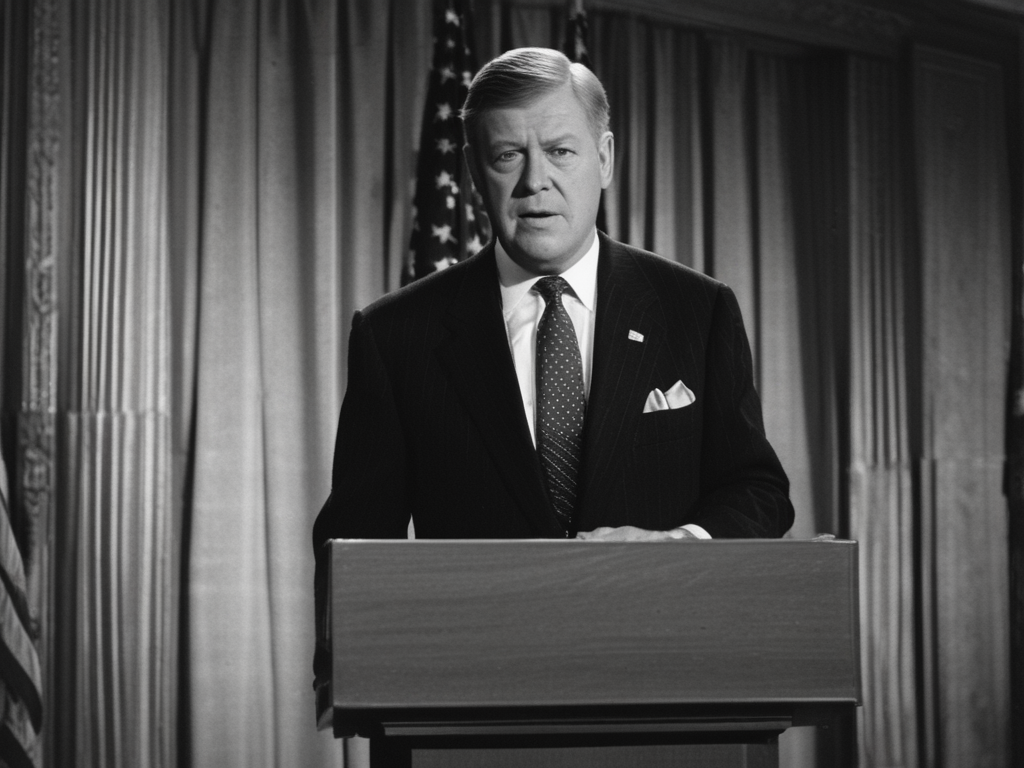
That evening, the city held its breath as Jim stood before the cameras, his face reflecting a mix of determination and humility. The room was packed with reporters, and the live broadcast was being watched by millions.
“Good evening,” Jim began, his voice steady but softer than usual. “Yesterday, I made a statement regarding the education reform bill that contained several inaccuracies. I take full responsibility for these errors and want to apologize to the opposition party and the public for any confusion caused.”
A murmur rippled through the room. Jim continued, “In the heat of political debate, it’s crucial that we maintain integrity and respect for the truth. I deeply regret that this standard was not upheld, and I assure you that we will do better moving forward.”
As he finished, the room erupted into a flurry of questions, but Jim stood his ground, answering with patience and sincerity. Though the experience was humbling, it was also a turning point.
The following days saw a shift in public perception. While some critics remained vocal, many admired Jim for his willingness to own up to his mistake. His genuine apology and commitment to integrity resonated with people, reinforcing the very qualities that had made him a revered leader.
In the end, Jim still grappled with the difficult lesson with which he’d been presented that true leadership wasn’t just about charisma and confidence, but also about humility and accountability. And while the sting of criticism still lingered, as it would for many months, he could only hope he would emerge from the ordeal with an altered understanding of what it meant to be a public servant. In the meantime, what would he do about Karen’s tendered resignation?
Leave a Reply