
The Story
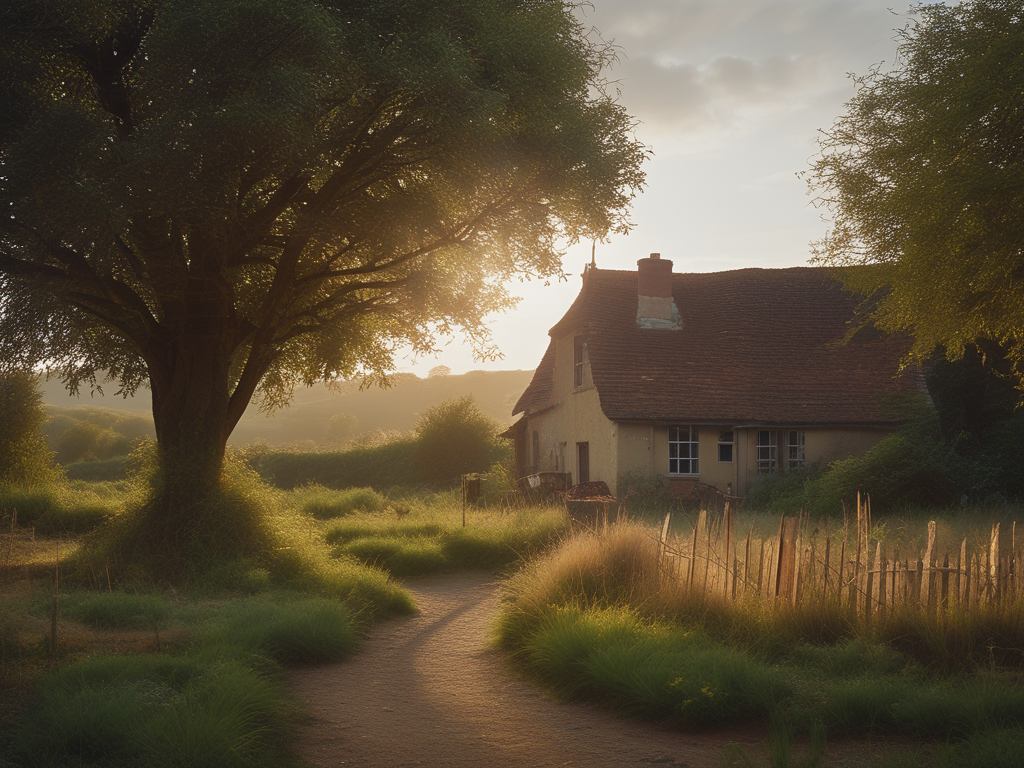
Nestled in the tiny village of Ellsworth, a place frozen in time, where the cobblestone streets and thatched roofs whispered tales of a simpler past, Gloria Hargrove was known as the self-appointed queen. With her boisterous laugh and strong opinions, she commanded attention and thrived on drama.
Gloria’s charming exterior hid a dark side, a legacy of her mother’s manipulative behaviour. She had spent years trying to please her mother, never feeling good enough, and had become twisted by the experience.
Despite her deceptive ways, Gloria tightened her grip on the villagers with her graciousness and seemingly welcoming gestures. Little did they know that these acts were just pawns in her manipulative game. Her circle of followers hung onto every word, eager to remain in her good graces.
But everything changed when the Anderson family moved into the cottage next to Gloria’s. Unlike the others who easily fell under her spell, Julia Anderson was not one to indulge in idle gossip or be swayed by popular opinion. Much to Gloria’s irritation, she quickly became known for her honesty and integrity.
At first, Gloria tried to charm Julia into her circle, but Julia remained politely distant. As time passed, Julia saw through Gloria’s facade and wasn’t afraid to call her out on her deceitful behaviour.
At Gloria’s village tea party, Julia entered the room just as Gloria began whispering to a group of women. Tension filled the air as Julia approached, and she could hear Gloria spreading a vicious rumour about a fellow villager. Julia took a deep breath and stepped forward, drawing the entire room’s attention. “Gloria, I can’t let you spread lies about innocent people,” Julia said, her voice shaking with emotion.
Enraged at being challenged, Gloria gathered her loyal followers and devised a plan to sabotage Julia and her family’s reputation in the community. However, it was too late. Julia’s genuine kindness had already won the hearts of many villagers who could see through Gloria’s false façade.
As Gloria’s manipulative ways unfolded, her circle grew smaller and smaller. People were finally seeing through her toxic influence and had enough of her constant games and lies. Slowly but surely, they started distancing themselves from her and her followers.
Gloria’s once adoring husband began to see the truth behind her manipulative ways and no longer followed her like a lost puppy. He finally found his voice and stood up against his wife’s toxic behaviour, causing even more damage to Gloria’s already crumbling reputation.
Gloria’s garden, once a symbol of her influence and power, lay neglected and barren. Brown leaves crunched underfoot as she walked through the overgrown paths, her heart heavy with the weight of her failing alliances and crumbling image.
One day, Gloria orchestrated her biggest move yet—a village-wide petition to remove the Andersons from the neighbourhood council, claiming they were disruptive and unfriendly. She called a meeting, expecting to rally the villagers against Julia.
A chilling voice echoed through the tense air, shattering Gloria’s confidence as she stood before the crowd, ready to unleash her tirade. Mrs Fletcher, her once loyal follower turned traitor, dared to speak out against her. “Gloria, this has gone too far,” she said with a steely gaze, “Julia and her family have done nothing but try to be a part of this community. It’s you who has been disruptive and unfriendly.” The warning in Mrs. Fletcher’s words sent a shiver down Gloria’s spine, foreshadowing the impending downfall that awaited her.
The room buzzed with murmurs of agreement. Mr Green and Miss Dobbins, emboldened by Mrs Fletcher’s courage, also spoke up, recounting instances of Gloria’s manipulation and lies. Other villagers began to share their own experiences, revealing the true extent of Gloria’s deceit.
Gloria could feel it slipping away, her grip on the community that had once been under her control. As she tried to defend herself, the villagers had already decided.
Gloria’s days in the quaint village of Elmsworth had grown quieter and longer with the arrival of autumn. The once bustling town was now enveloped in fiery-hued leaves, only adding to the chill that permeated her bones. She watched life pass by from her window, no longer receiving visitors at her door. Her solitude was briefly disrupted when a mysterious car appeared one evening, parked outside her cottage. Though the occupant remained hidden, Gloria could feel their intense gaze on her home, sending shivers down her spine. As night fell, the tension in the village became almost palpable as everyone grew curious about the stranger who had come into their peaceful community. But nothing could have prepared them for what unfolded next; secrets were revealed, and shocking truths came to light. In the chaos and confusion, Gloria felt an unease settle in her stomach – a warning of impending danger. She knew she must face whatever came alone with her husband turned against her and no one to turn to. As darkness descended again, Gloria braced herself for what may have been the most terrifying experience of her life.
The Review
In this latest literary offering by an emerging voice in fiction, we are drawn into the picturesque yet treacherous world of Gloria Hargrove, a character whose manipulative machinations unravel against the backdrop of a seemingly idyllic village frozen in time. Reminiscent of classic psychological dramas where facade meets fate, the author skillfully navigates themes of power, deceit, and ultimately, downfall.
With echoes of Gothic literature’s exploration of dark desires and hidden truths, the passage unfolds like a modern-day morality play set amidst cobblestone streets and whispered secrets. The character dynamics are sharply drawn, particularly in the clash between Gloria’s cunning charisma and Julia Anderson’s steadfast integrity—a confrontation that ignites tensions and exposes the fragile bonds of community.
As the narrative unfolds with a pace akin to a suspenseful thriller, readers are led through a web of deception and redemption that feels both timeless and timely. The intricate interplay of characters mirrors societal shifts where loyalty is tested, alliances crumble, and the true nature of individuals is laid bare under scrutiny.
Drawing on a rich tapestry of literary influences—from the psychological depths of Dostoevsky to the moral reckonings of Wharton, the author crafts a tale that transcends mere melodrama. Through Gloria’s descent from queen bee to isolated pariah, we witness a cautionary tale that speaks to our contemporary hunger for authenticity in a world of duplicity.
In its exploration of power dynamics, moral ambiguity, and the consequences of unchecked manipulation, this passage offers a compelling glimpse into human nature’s darker impulses. As we navigate Gloria’s unraveling world, haunted by shadows both personal and communal, we are reminded that beneath every charming facade lies the potential for betrayal and redemption—a potent cocktail that keeps us eagerly turning pages until the very end.
Leave a Reply