
The Story
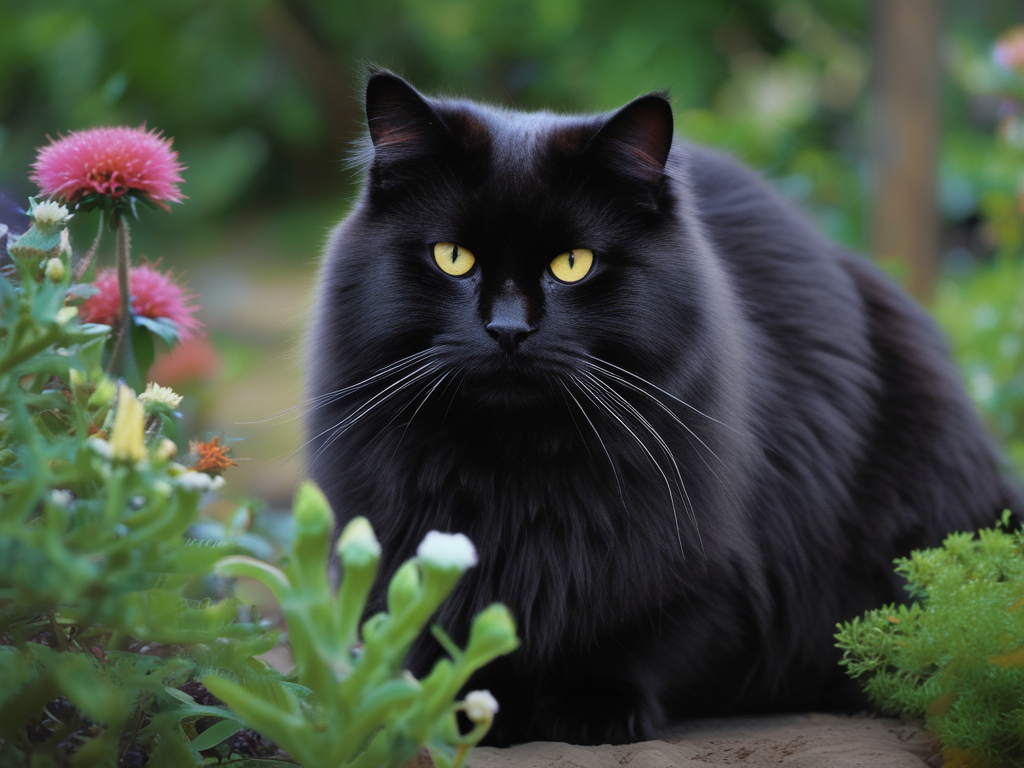
Lillian Mayfield had always prided herself on being a good neighbour. She and her husband, Mark, lived in a quaint Maple Street cottage surrounded by colourful gardens and friendly faces. At sixty-five, Lillian enjoyed her retirement by tending to her roses and spending time with her beloved cat, Whiskers. The neighbourhood was her sanctuary, a place of peace and camaraderie.
One sunny afternoon, Lillian was sipping tea on her porch when her neighbour, Mrs Patel, stopped by with a concerned look.
“Lillian, have you heard about that dreadful dog of the Johnsons?” Mrs Patel began, her voice low and conspiratorial.
Lillian shook her head, curious. “No, I haven’t. What’s happened?”
“That beast has been terrorising the neighbourhood. It’s aggressive, barks all night, and bit poor my good friend, Mr Thompson, last week!”
Lillian’s eyes widened. “Oh dear, that’s terrible! I hadn’t heard a thing.”
Mrs Patel nodded, leaning closer. “A few of us are planning to talk to the Johnsons, see if we can convince them to get rid of that menace. Would you join us?”
Wanting to support her neighbours, Lillian agreed. She attended the meeting, where stories of the dog’s misbehaviour were shared with great fervour. Though she had never had an issue with the Johnsons’ dog herself, Lillian believed her neighbours and signed a petition demanding its removal.
The campaign quickly gained momentum. Under pressure, the Johnsons moved away, taking their dog with them. The neighbourhood breathed a sigh of relief, and life returned to its usual tranquillity.
Lillian noticed Mrs Patel and a few others whispering a few weeks later, casting glances toward her house. When she approached, the group fell silent, and Mrs. Patel forced a smile.
“Lillian, dear, we need to talk,” Mrs Patel said, her tone sugary sweet but laced with a hint of malice. “It’s about Whiskers.”
Lillian’s heart sank. “What about him?”
“Well, you see,” Mrs Patel began, “Whiskers has been… creating quite a mess in our flower beds. Several of us have noticed it. It’s becoming a real problem.”
Lillian was taken aback. “But Whiskers is just a cat. Surely it can’t be that bad?”
Another neighbour, Mr Thompson, stepped forward. “Lillian, it’s not just one or two incidents. It’s constant. We’re tired of cleaning up after your cat.”
Lillian’s cheeks flushed with embarrassment and guilt. She hadn’t realised Whiskers’ outdoor activities were causing such distress. “I’m so sorry. I didn’t know. I’ll try to keep him inside more often.”
The group nodded, but Lillian could see the same determination in their eyes that had been there during the campaign against the Johnsons’ dog. Over the next few days, she noticed more whispering and pointed looks in her direction. Her neighbours’ once-welcoming smiles were now cold and distant.
Determined to avoid the fate of the Johnsons, Lillian began keeping Whiskers indoors. She even set up a small litter box for him, but he missed his outdoor adventures. The atmosphere in the neighbourhood grew tense, and Lillian felt increasingly isolated.
One evening, as she was watering her garden, Mrs Patel approached again, this time with a few other neighbours in tow.
“Lillian, we appreciate your efforts, but they haven’t been enough,” Mrs. Patel said, her voice hard. We think it’s best if you find a new home for Whiskers. If not, we might have to take further action.”
Lillian’s eyes filled with tears. She had thought these people were her friends, but now she saw their true colours. They had turned on her just as easily as they had on the Johnsons.
Lillian was backed into a corner, her heart pounding in fear and fury. As Mark’s twisted mind thirsted for revenge against Whiskers, she knew she had to take drastic action.
Quivering, she pulled out her hidden stash of potent weed killers and unleashed a devastating attack that would devastate the entire neighbourhood. As chaos erupted and gardens withered away, Lillian couldn’t help but feel a mix of satisfaction and remorse. She had taken a stand for her beloved cat, but at what price? The once tranquil community was now engulfed in an all-out war as neighbours turned on each other in a frenzy of revenge.
Amidst the destruction, Lillian vowed never to let herself be pushed around or manipulated by mob mentality again. But as she watched her former friends turn on each other with vicious intent, she also realised the destructive power of blind rage and the fragility of human bonds. In this new world filled with hatred and bloodshed, Lillian knew she could rely only on herself and Whiskers—for better or worse.
The Review
In this latest literary offering from an emerging voice in the literary world, themes of community, betrayal, and the struggle for agency are deftly woven together in a narrative that harkens back to classic tales of societal upheaval while resonating with contemporary resonance. At first glance, the tale of Lillian Mayfield’s descent into a neighborhood turned battleground may seem like a simple dispute over pet behavior, but beneath the surface lies a searing commentary on mob mentality, the frailty of human connections, and the lengths one will go to defend their autonomy.
Drawing parallels to works by authors such as Shirley Jackson and Shirley Barrett, the author skillfully navigates the complexities of interpersonal dynamics within a tight-knit community. The initial camaraderie and shared sense of place quickly give way to suspicion, manipulation, and ultimately, destruction – a cautionary tale that echoes both historical episodes of mass hysteria and modern-day cancel culture.
As Lillian grapples with the pressure to conform and the consequences of defiance, readers are confronted with questions of loyalty, individualism, and the dark underbelly of collective action. Through vivid imagery and sharp dialogue, the author paints a vivid portrait of a once idyllic neighborhood torn asunder by conflicting loyalties and unchecked emotions.
While some may find the narrative’s descent into chaos and violence unsettling or even melodramatic, it is precisely these elements that elevate the story beyond a mere domestic dispute into a thought-provoking exploration of power dynamics and moral ambiguity. In today’s climate of polarized opinions and online outrage, “Whiskers’ Revenge” serves as a cautionary tale about the dangers of groupthink and the importance of standing firm in one’s convictions, even in the face of overwhelming pressure.
Overall, this work is a compelling addition to contemporary literature, offering readers a captivating blend of suspense, social commentary, and psychological insight. With its nuanced characterisations and timely themes, “Whiskers’ Revenge” will spark lively discussions and linger in readers’ minds long after the final page is turned.
Leave a Reply