
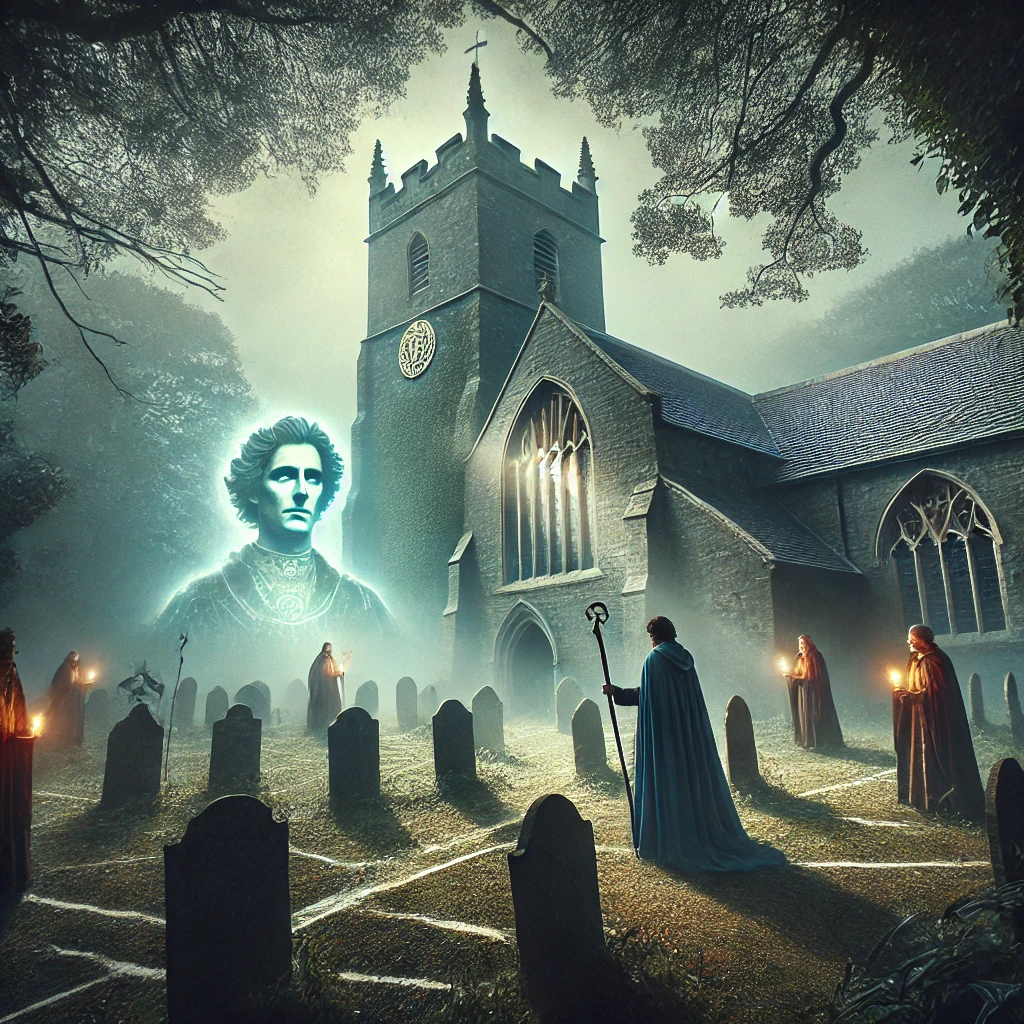
The Heart of Shadows, shrouded in myth and cloaked in Cornwall’s enigmatic history, has long captivated the imagination of scholars, spiritual seekers, and folklorists. Among its most notable investigators was Edward Blackwood, a prominent antiquarian of the early 19th century, whose meticulous research into the Heart and its connections to Cornwall’s ley lines, rituals, and sacred sites remains invaluable.
The Heart of Shadows: A Nexus of Power
Blackwood’s journals describe the Heart of Shadows not as a mere artifact but as a living force—an entity that thrived on deceit and fractured trust. He referred to it as a “nexus,” a point where energies converged, amplifying human emotions and conflicts. The Heart, he believed, acted like “a mirror, reflecting the darkest corners of the soul.” Its power, deeply tied to the land and the ley lines coursing through Cornwall, was as dangerous as it was compelling.
Blackwood warned of the Heart’s corrupting influence, noting how it magnified ambition and fear, often turning noble intentions into destructive obsessions. Historical accounts suggest the Heart reappeared during times of upheaval, drawing those who sought to wield its power into a web of ruin.
The Druids and Ritual Worship
Blackwood’s research also delves into the Heart of Shadows’ potential connections to the Druids, the enigmatic priesthood of ancient Britain. Emerging around 1000 BCE but with roots stretching as far back as 2500 BCE, Druids were spiritual leaders, philosophers, healers, and astronomers. They revered nature, conducting rituals in sacred groves, by rivers, and atop hilltops, often aligning their ceremonies with celestial events.
The ley line crossing at Lostwithiel, marked by the convergence of the St Michael and St Mary alignments, would have been of particular significance to the Druids. Blackwood speculated that the Heart was a focal point for their rituals, amplifying energies from the ley lines to connect with the divine. These ceremonies, he believed, harnessed the Heart’s power for divination, protection, and balancing the land’s energy.
Origins and Folklore
Legends uncovered by Blackwood trace the Heart of Shadows to a shipwreck off the Cornish coast, its passengers carrying the artifact in a desperate bid to control its power. The vessel’s fate mirrored the Heart’s legacy—bringing devastation to those who possessed it. Blackwood’s accounts link its reappearances to cycles of human greed, each resurgence leaving behind a trail of destruction.
Ley Lines and Sacred Sites
Blackwood’s groundbreaking work mapping Cornwall’s ley lines revealed the Heart of Shadows’ deep ties to these “veins of the earth.” The St Michael and St Mary alignments, in particular, formed the cornerstone of his studies. He noted that the Heart’s power was strongest at ley line crossings, where energies intertwined and sacred sites such as St Michael’s Mount, Glastonbury Tor, and Lostwithiel were established.
At Lostwithiel, Blackwood observed that the intersection of the masculine St Michael line and the feminine St Mary line created a palpable energy. The ancient Church of St Bartholomew, standing near the crossing, seemed to hum with this power, a phenomenon echoed in the experiences of modern visitors who report feelings of warmth, vibration, and connection when near the church’s font.
Rituals and Bloodlines
Blackwood’s writings also explore the rituals associated with the Heart of Shadows. Garnets and rubies, stones he described as conduits for the artifact’s energy, were often used in ceremonies to “wake” the Heart. These rituals, he noted, were fraught with danger, as the Heart demanded more from its wielders than they could endure.
His journals suggest that certain bloodlines—including his own—had an inherent connection to the Heart. This affinity, he believed, explained why some individuals were drawn to the artifact and why others, like himself, could sense its presence. Blackwood’s work hints at a lineage of guardians or seekers bound to the Heart across generations.
Predictions of the Heart’s Return
Perhaps most chillingly, Blackwood predicted the Heart of Shadows’ return. He theorised that its reawakening was linked to celestial events, particularly a rare Saturn and Jupiter triple conjunction about every 800 years. This alignment, which he speculated could have been the origin of the Christmas Star, served as a harbinger of the Heart’s resurgence.
Blackwood urged future generations to tread carefully, writing, “The Heart is not content to rest. It seeks, it waits, and it will always demand a reckoning.” His foresight has proven eerily prescient, as renewed interest in the artifact and its ley line connections stirs echoes of its dark influence.
Legacy and the Mysteries of Lostwithiel
Edward Blackwood’s work, though controversial in its time, remains a cornerstone for those exploring Cornwall’s occult history. His findings on the Heart of Shadows continue to inspire researchers and seekers, offering a lens through which to view the intertwining of myth, history, and spiritual energy.
Lostwithiel, with its ley line crossings and vibrant energy, stands as a testament to the power Blackwood described. Whether through the whispers of ancient Druids, the rituals of seekers past, or the lingering presence of the Heart of Shadows, the town holds a magnetic allure. Visitors to the site often report sensations of connection and vitality, as though the land itself remembers its sacred role.
For those drawn to Cornwall’s mysteries, Blackwood’s journals serve as both a guide and a warning. The Heart of Shadows, he wrote, “is a test, not a treasure. It reveals more of the seeker than the sought, and in that revelation lies its danger.”
Lostwithiel remains a place where the echoes of the past meet the questions of the present, inviting us to explore the boundaries between myth and reality—and to consider what we might find when those boundaries dissolve.
Edward Blackwood, a prominent antiquarian and scholar of the early 19th century, devoted much of his life to studying Cornwall’s enigmatic artifact, the Heart of Shadows. Through painstaking research, he unravelled this mysterious relic’s lore, documenting its history, influence, and connection to Cornwall’s rich tapestry of ley lines, rituals, and myths. Blackwood’s work has become an essential resource for understanding this dark and captivating piece of folklore.
The Heart of Shadows: A Nexus of Power
Blackwood’s journals describe the Heart of Shadows as an object of immense power, tied deeply to Cornwall’s ley lines—particularly the St. Michael and St. Mary alignments. He referred to the Heart as a “nexus,” a focal point where energies converge. Far from being a mere artifact, the Heart was described as a living force, one that thrived on deceit and fractured trust.
He theorized that the Heart’s energy was drawn from the land itself, amplifying human emotions and conflicts. Blackwood warned of its corrupting influence, noting how it magnified ambition and fear, turning the best intentions into destructive obsessions. He likened it to “a mirror, reflecting the darkest corners of the soul.”
Historical Accounts and Folklore
Blackwood’s research delved into the origins of the Heart of Shadows, uncovering tales that predated recorded history. Among his most significant findings were legends of a shipwreck off the Cornish coast. Local sailors whispered that the Heart had come to England aboard this doomed vessel, carried by those who sought to control its power. However, the artifact’s malevolent nature ensured it brought ruin to all who possessed it.
His journals recount how the Heart surfaced during times of great upheaval, appearing in the possession of those who sought to manipulate its energy. Each time, it left a trail of devastation, its influence reaching far beyond its immediate surroundings.
Ley Lines and Sacred Sites
One of Blackwood’s most groundbreaking contributions was his work mapping the ley lines of Cornwall. He was among the first to theorize that the Heart anchored itself to intersections of these lines, which he called “veins of the earth.” The St. Michael and St. Mary alignments, in particular, were key to his studies. Blackwood noted that the Heart’s power seemed strongest at these crossing points, which were often marked by ancient churches, stone circles, and burial mounds.
He meticulously charted these sites, including St. Michael’s Mount, Glastonbury Tor, and Lostwithiel, asserting that the Heart’s reappearances were tied to the energies coursing through these sacred locations.
Rituals and Bloodlines
Blackwood’s writings also explore the rituals associated with the Heart. He described ceremonies performed to “wake” the artifact, many involving garnets and rubies, stones he believed acted as conduits for the Heart’s energy. These rituals, according to Blackwood, were dangerous and often fatal, as the Heart demanded more from its wielders than they could ever give.
He speculated that certain families—his own included—had a peculiar connection to the artifact, tied through bloodlines and shared history. This connection, he believed, explained why some individuals were drawn to the Heart and why others, like himself, could sense its presence.
A Prediction of Return
Perhaps most chillingly, Blackwood predicted the Heart’s return. His journals indicate he believed the artefact followed celestial patterns, with its reawakening heralded by significant astrological events. He specifically cited a triple conjunction of Saturn and Jupiter —a rare alignment also speculated to be the origin of the Christmas Star—as a harbinger of the Heart’s resurgence.
Blackwood’s conviction that the Heart would reemerge fueled his warnings to future generations. He urged those who uncovered it to tread carefully, noting, “The Heart is not content to rest. It seeks, it waits, and it will always demand a reckoning.”
Legacy and Influence
Edward Blackwood’s work was both groundbreaking and controversial in its time. While some dismissed his findings as fanciful, others recognized the depth of his scholarship and the warnings embedded within his writings. His journals, now scattered across private collections and archives, remain a touchstone for researchers delving into Cornwall’s occult history.
The Heart of Shadows continues to fascinate and terrify those who encounter its legend. As Blackwood himself wrote, “The Heart is a test, not a treasure. It reveals more of the seeker than the sought, and in that revelation lies its danger.”
For those interested in the mysteries of Cornwall and the darker side of its folklore, Blackwood’s work offers a compelling lens through which to view the past—and perhaps, to prepare for what may come.
Leave a Reply