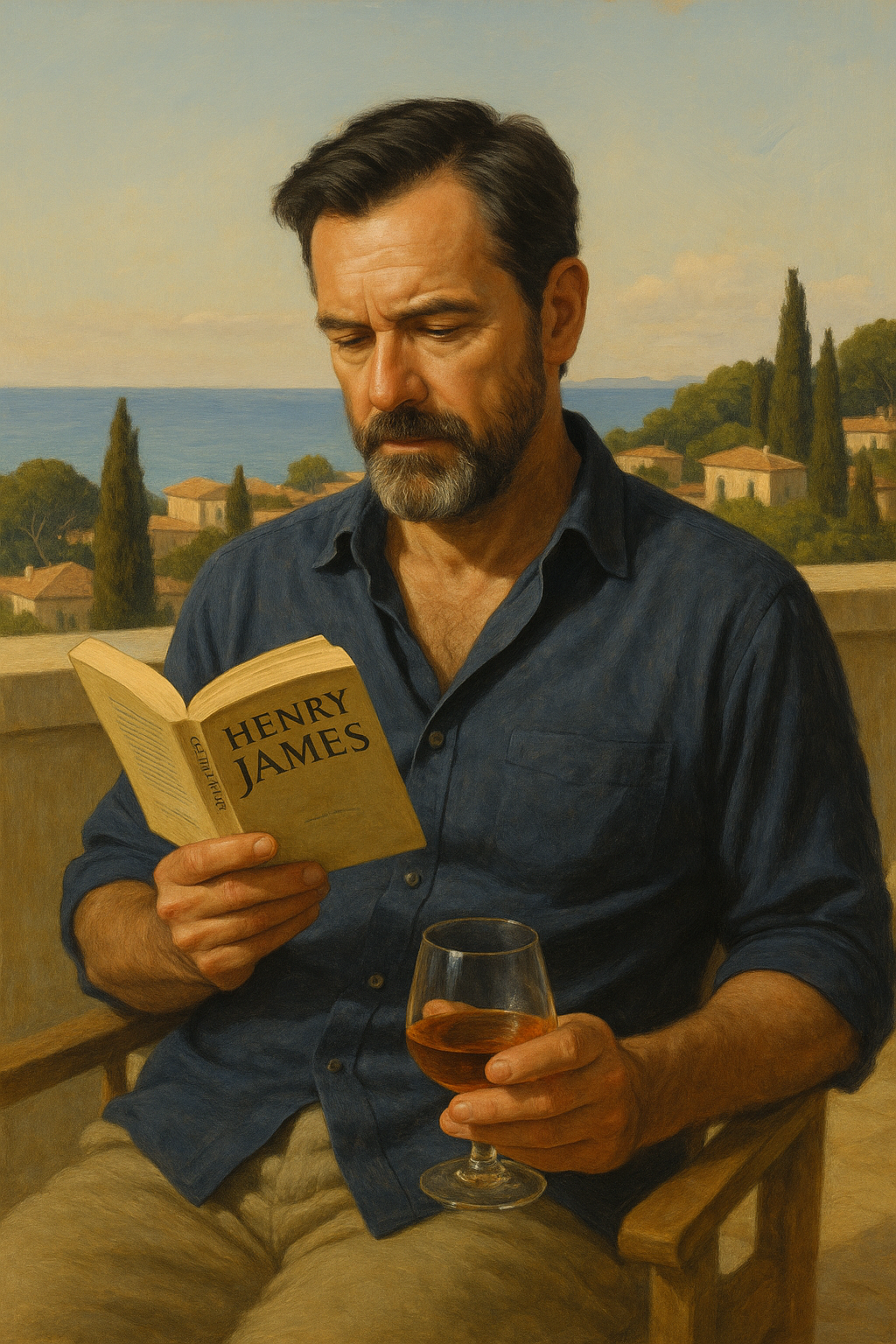
-
Demons at the Gate: How Augustine’s Inheritance Shaped Magic from Cloister to Cosmos?

Augustine’s rebranding of daimons as demons created the framework that defined magic for a millennium. From Aquinas to witchcraft theorists, from Trithemius to Jung, Western thought could not escape this inheritance: once spirits became fallen angels, all magical practice stood suspect.
-
The Connection Between Lughnasadh, The Heart of Shadows, and Ara Norenzayan’s Research

According to Cornish folklore, the Heart represents the essence of life and the balance between light and dark—a theme that resonates with the cyclical nature of agricultural seasons.
-
The Shining Ones, Tuatha de Danaan, and the Roads Beneath Our Feet

The Watchers appear in texts like the Book of Enoch, a once-suppressed text that describes how these beings—often interpreted as fallen angels—shared knowledge of metallurgy, herbalism, astrology, and magical practices.
-
Blog Post Review: Faeries, Fallen Ages, and the Forgotten Covenant — A Deep Dive into Red Tree, White Treeby Wendy Berg

Berg paints a stunning portrait of Faery not as the domain of mischievous sprites or dainty flower fairies, but as a noble Otherworld inhabited by radiant, intelligent beings whose lives once overlapped with ours.
-
“Echoes in the Cave: A Letter Exchange on Forster, Faith, and Fissures from the correspondence of Lillian Hartley and Sylvia Moon

I knew it was from you the moment I saw the cover. Only you would think to tuck existential despair between the poetry shelves — or was that Edward’s mischief? He does so love a theatrical gesture.
-
“The Price of Freedom”
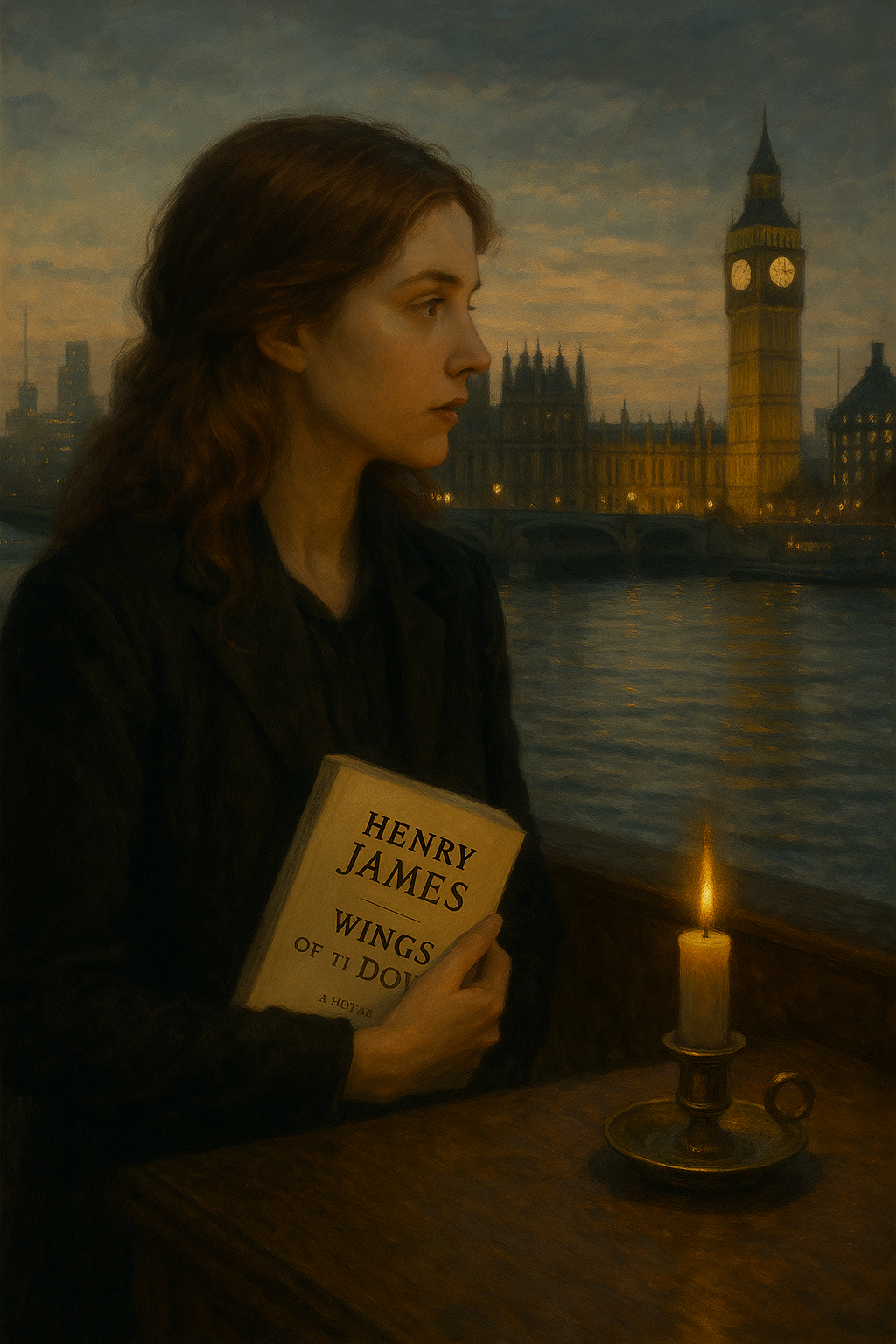
“Also,” Wren barked through the receiver, “your ghost friend Edward? He’s in my mirror. Not a dream. He winked. Winked, Lillian. That man is dead.”
-
December 25th: Morning Tea, A Postcard, and The Portrait of a Lady
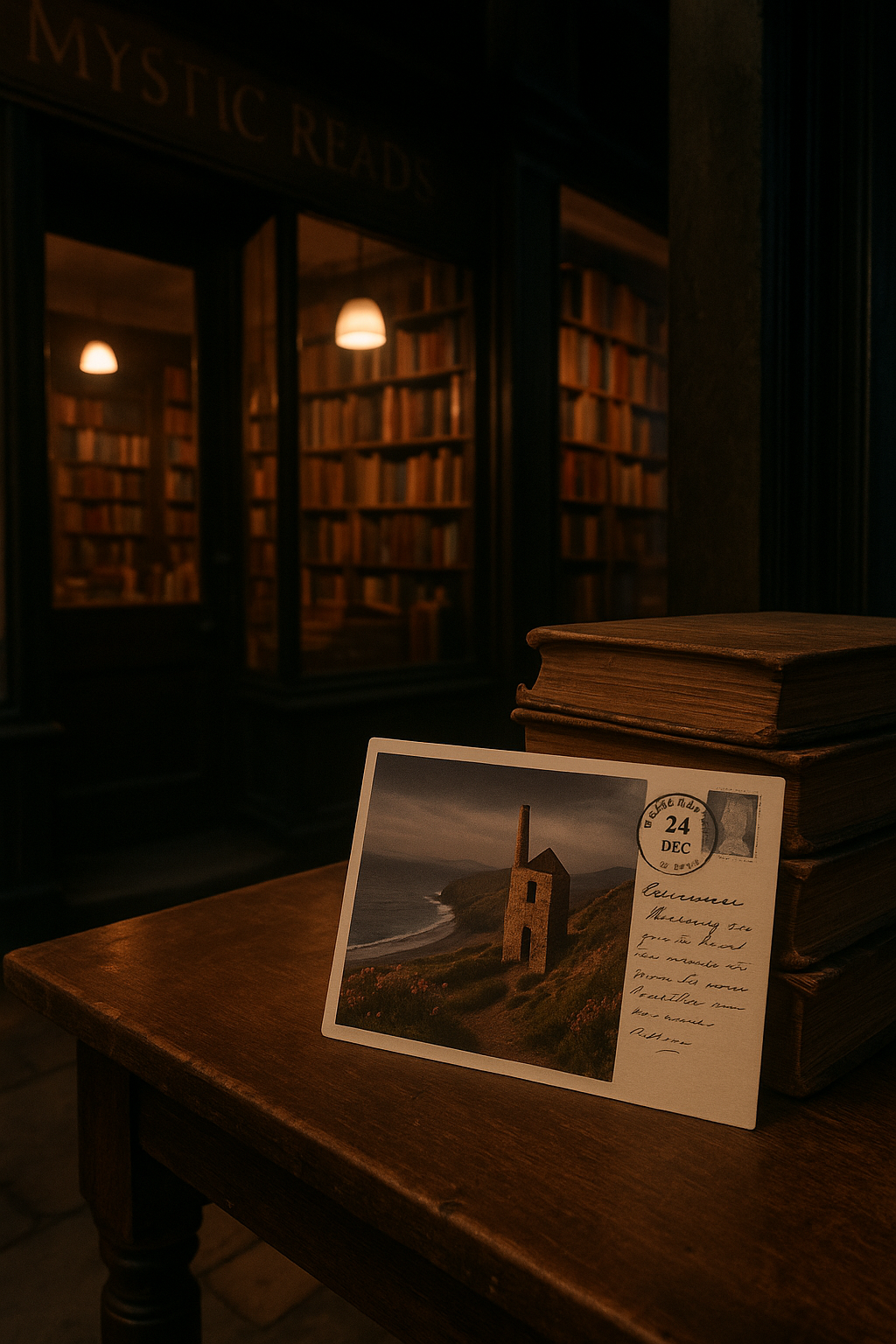
Sylvia blamed the cat. We haven’t had a cat in years.
-
The Door Has Always Been Open
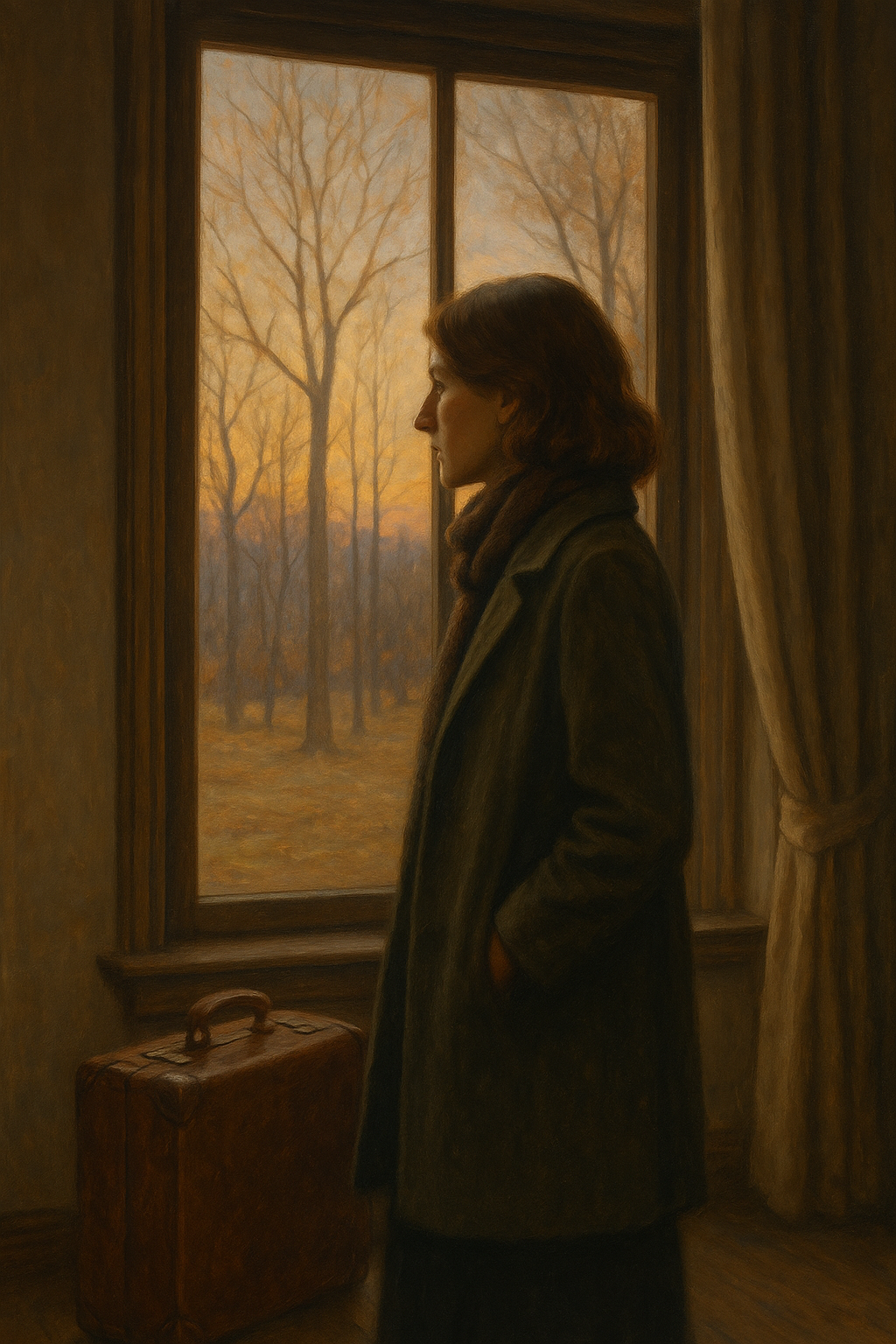
I tried the Virginia Woolf route. Everyone else seemed to find some holy map between her pages — Sylvia and Lillian, with their candlelit arguments and mystical comparisons. But for me?
-
Sunset, Memory, and Other Silly Things
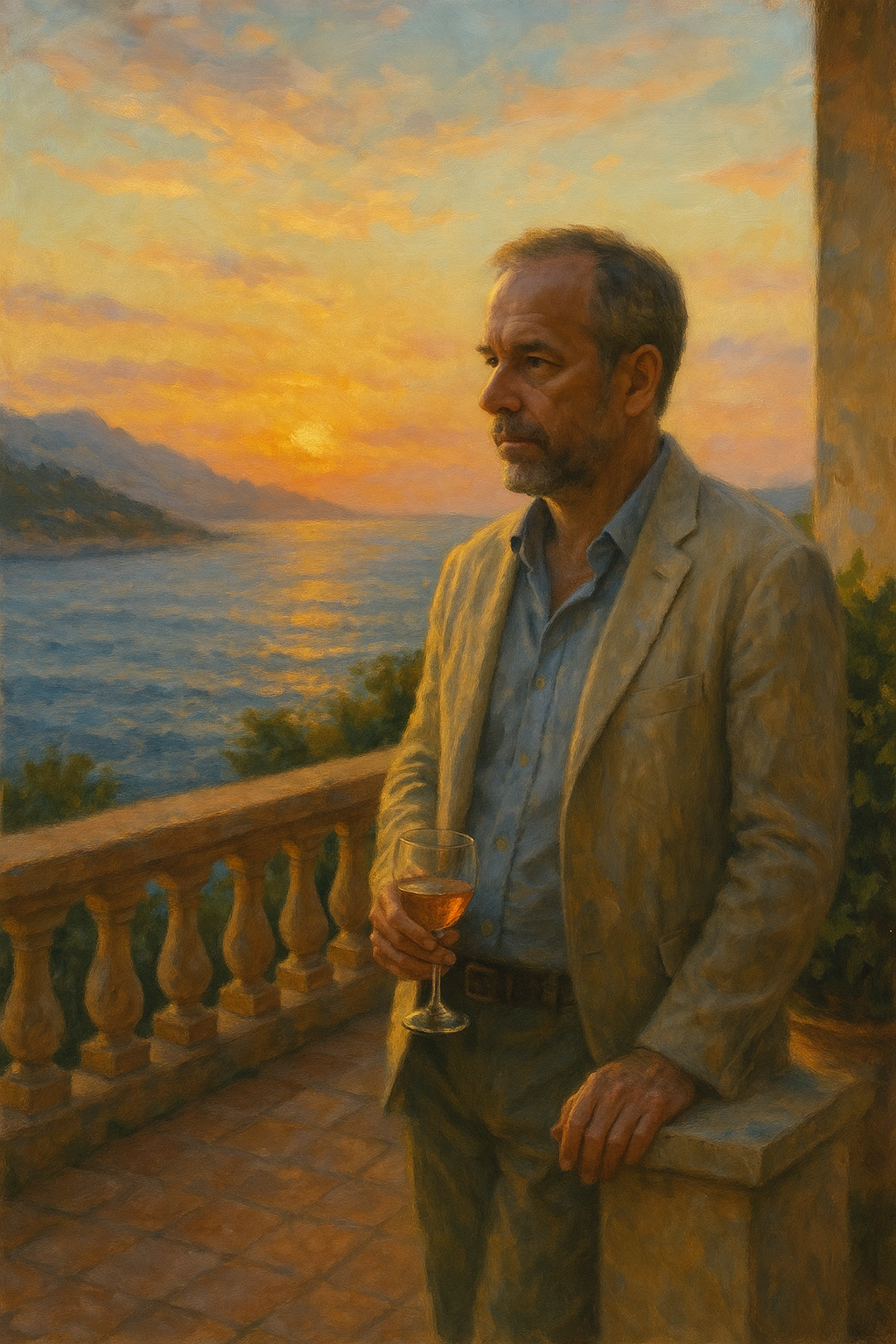
Let’s get one thing clear: I don’t like Woolf. I didn’t like her at school, and I haven’t warmed to her in exile. The only thing that ever lingered was Orlando — not because I admired it, but because it annoyed me so thoroughly that it stuck.

ARCHETYPAL ASSETS
Innovation in Cultural Cosmology / by Debra DeLeo Moolenaar