-
The Woman from Oxford

In Falmouth, on such a morning, two women hear a whisper about a stranger from Oxford — a Danish woman with a past heavy enough to tilt the air around her.
-
“Allotted Portions” — A Conversation at Mystic Reads

“I’d have thought a policeman’s portion was trouble enough without anyone adding to it,” Wren said. His voice carried that dry London edge, the kind that sounded like it had been sharpened on sleeplessness.
-
✦ The Night of Containment

Lillian’s builders will finish soon, but for now the house by the harbour will have three women and one sleeping mirror.
-
✦ Edward’s Confession

We told Cassandra what he said. She listened in silence, then took the notebook and read the transcription aloud.
-
Another Story…
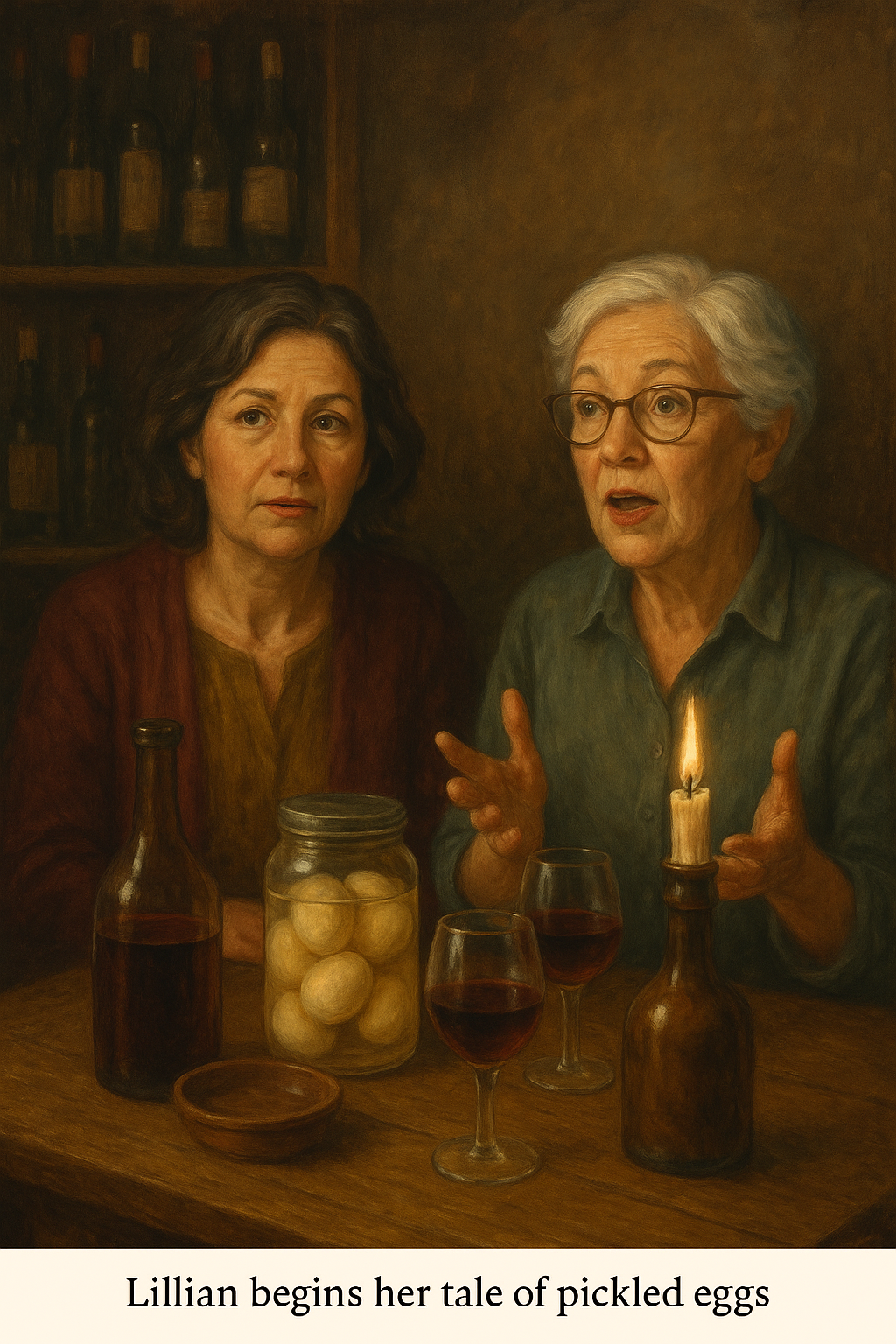
“Tell me,” Sylvia said at last, her voice a whisper between them. “Do you think Dorothea Pike was real?”
-
A Story…
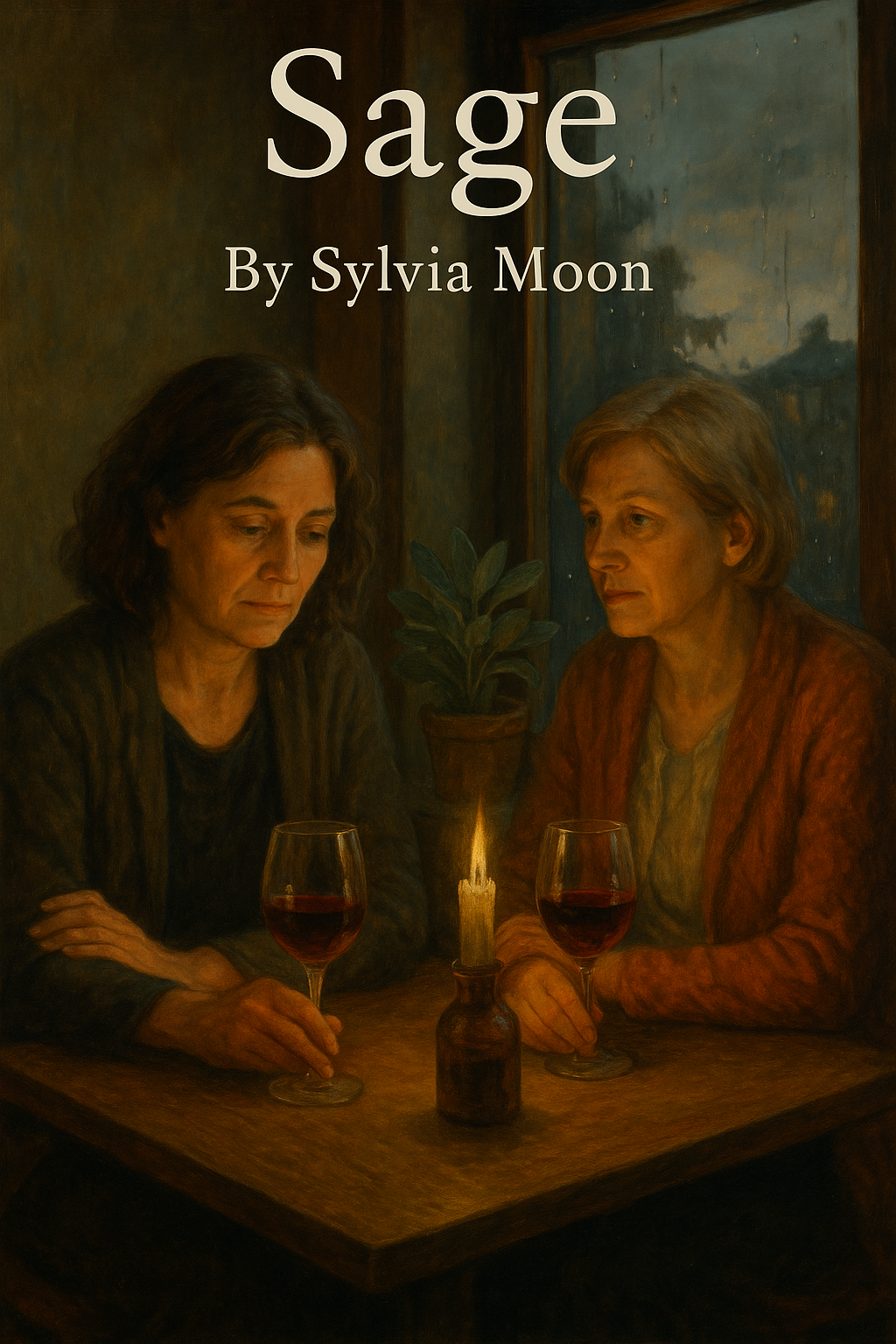
Sylvia’s hand froze halfway to her glass. She tried to laugh, but it came out thinner than she intended. “You mean Jonathan.”
-
✦ The Mirror’s Hunger
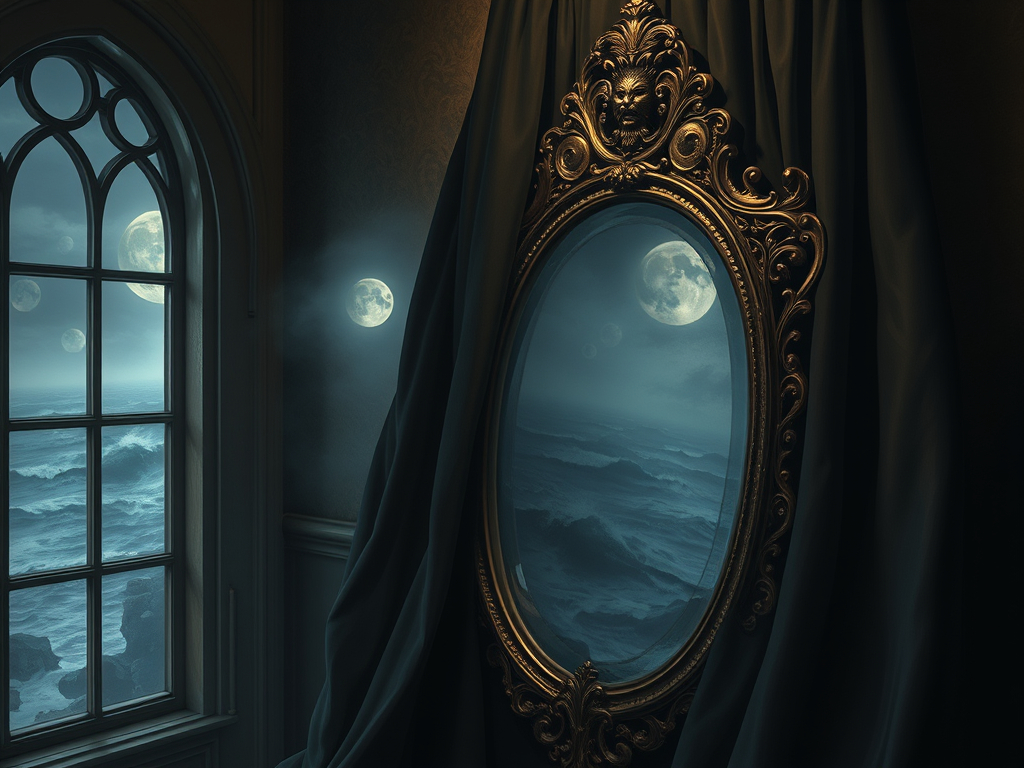
If any readers visit the Folklore Museum in the coming weeks, you’ll find the Mirror of Pendrim removed from display.

ARCHETYPAL ASSETS
Innovation in Cultural Cosmology / by Debra DeLeo Moolenaar