
Category: Jung
-
The Uncanny at Saltward Farm: Thresholds, Storms, and the Dignity of Burial
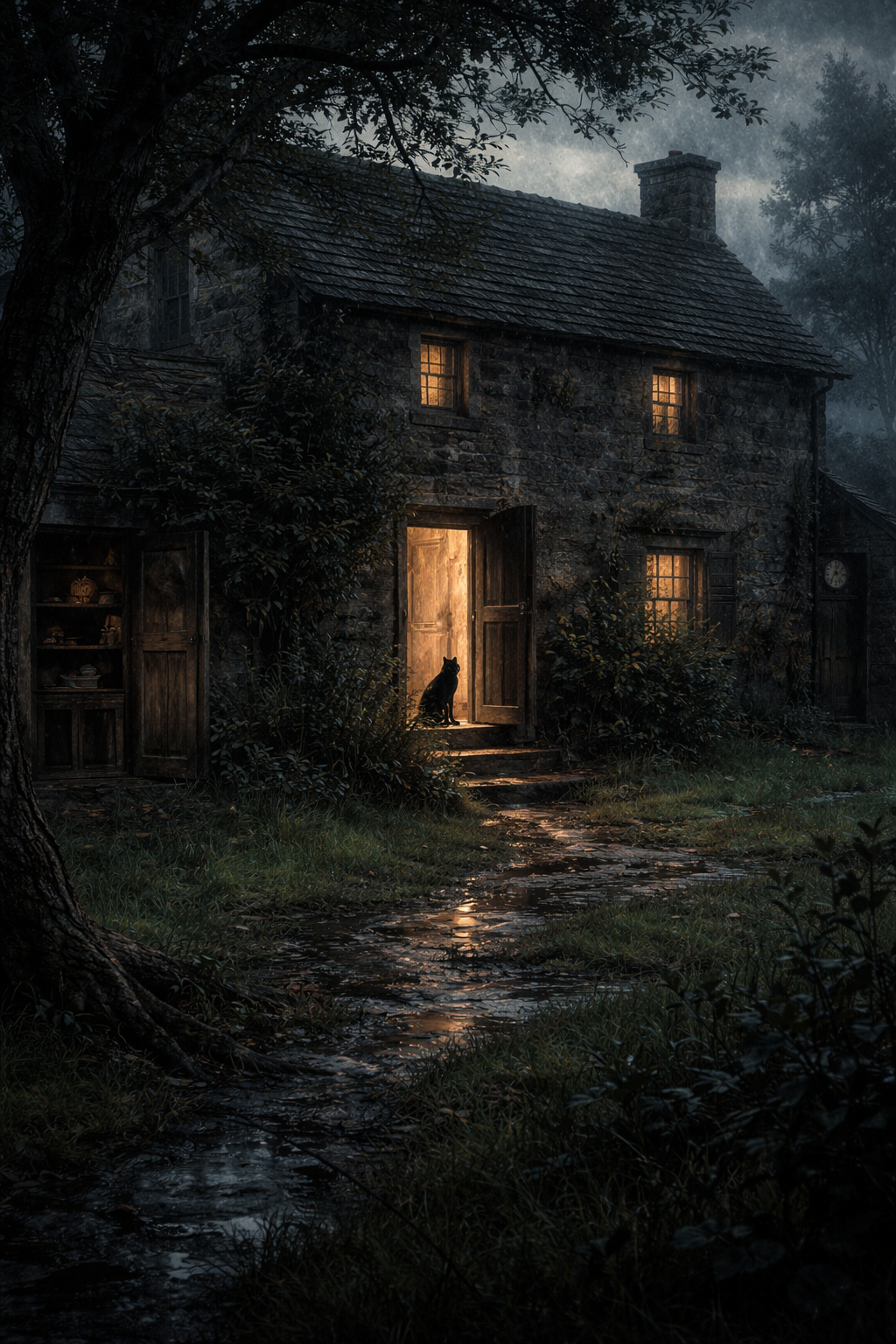
To understand how the novel works — and why it lingers — it helps to revisit what Freud, Heidegger, and Jung meant by “the uncanny,” and how their ideas illuminate both the story and our own lives.
-
Demons at the Gate: How Augustine’s Inheritance Shaped Magic from Cloister to Cosmos?

Augustine’s rebranding of daimons as demons created the framework that defined magic for a millennium. From Aquinas to witchcraft theorists, from Trithemius to Jung, Western thought could not escape this inheritance: once spirits became fallen angels, all magical practice stood suspect.
-
The Cosmic Dance of the Soul by Dr Lillian Hartley (8)
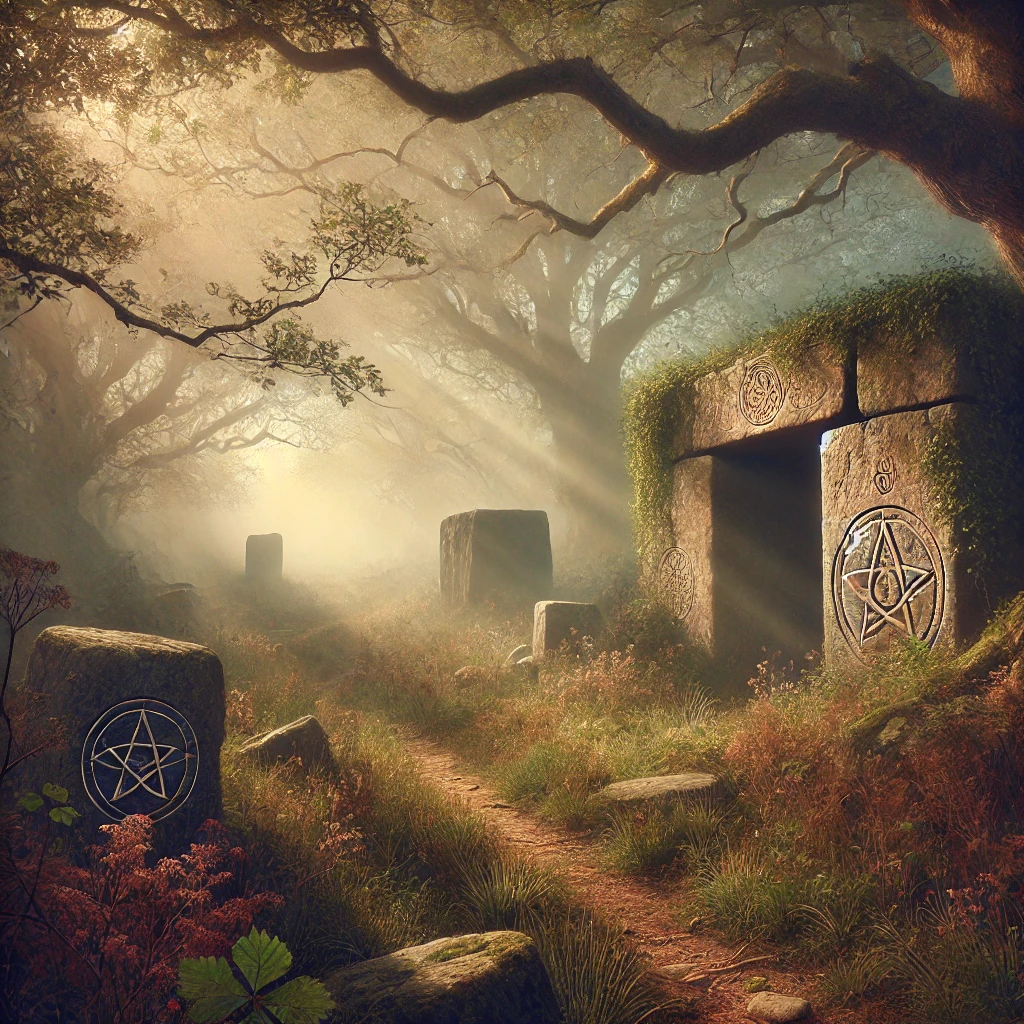
In The Red Book, Jung communicates with several Saturnian figures, including Elijah, The Old Scholar, The Anchorite, and Philemon.
-
The Cosmic Dance of the Soul by Dr Lillian Hartley (7)

Swiss psychiatrist Carl Jung famously coined the term “Shadow” to describe the repressed, hidden parts of ourselves, including the emotions and instincts we deem unacceptable.
-
Book Review
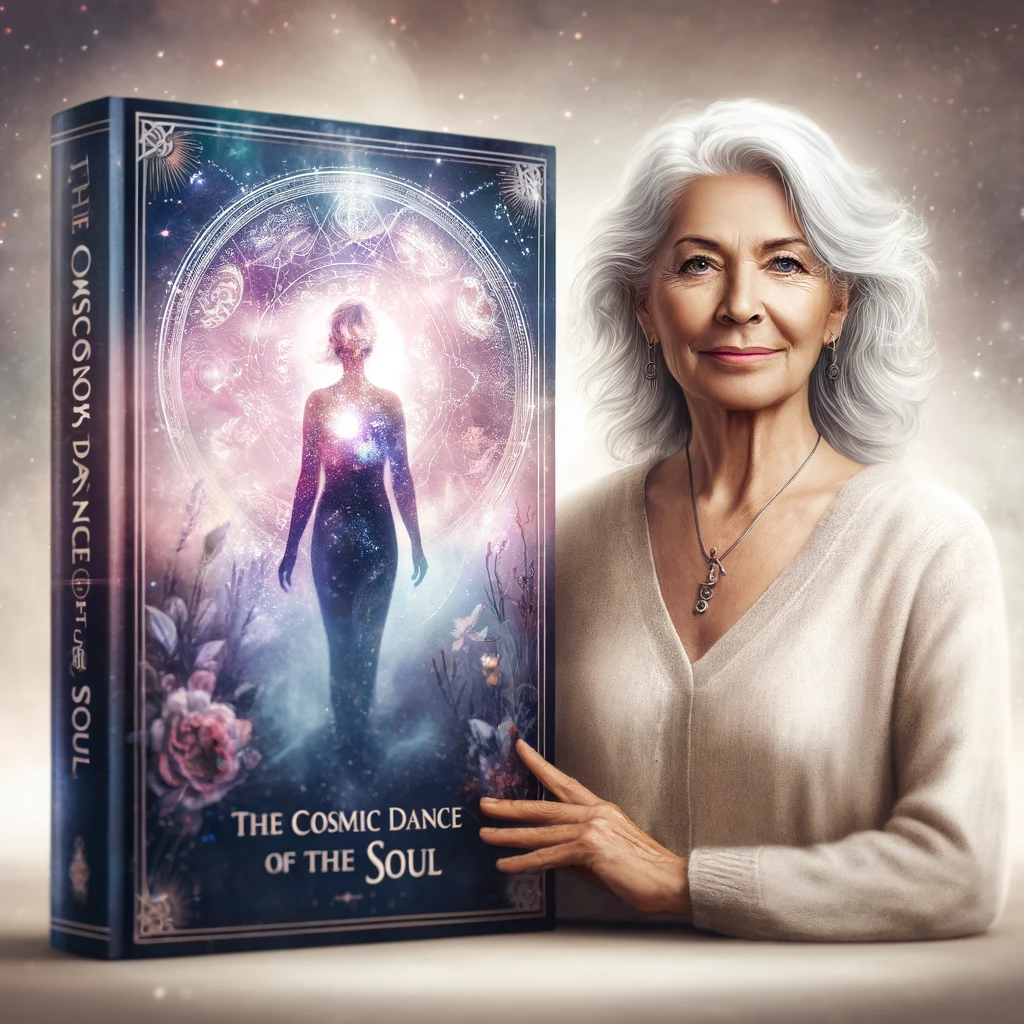
A key strength of Hartley’s work is her exploration of mythology, especially the role of the hero archetype.
-
From Maiden to Mother: The Unfulfilled Transformation in Agnes Grey by Anne Brontë
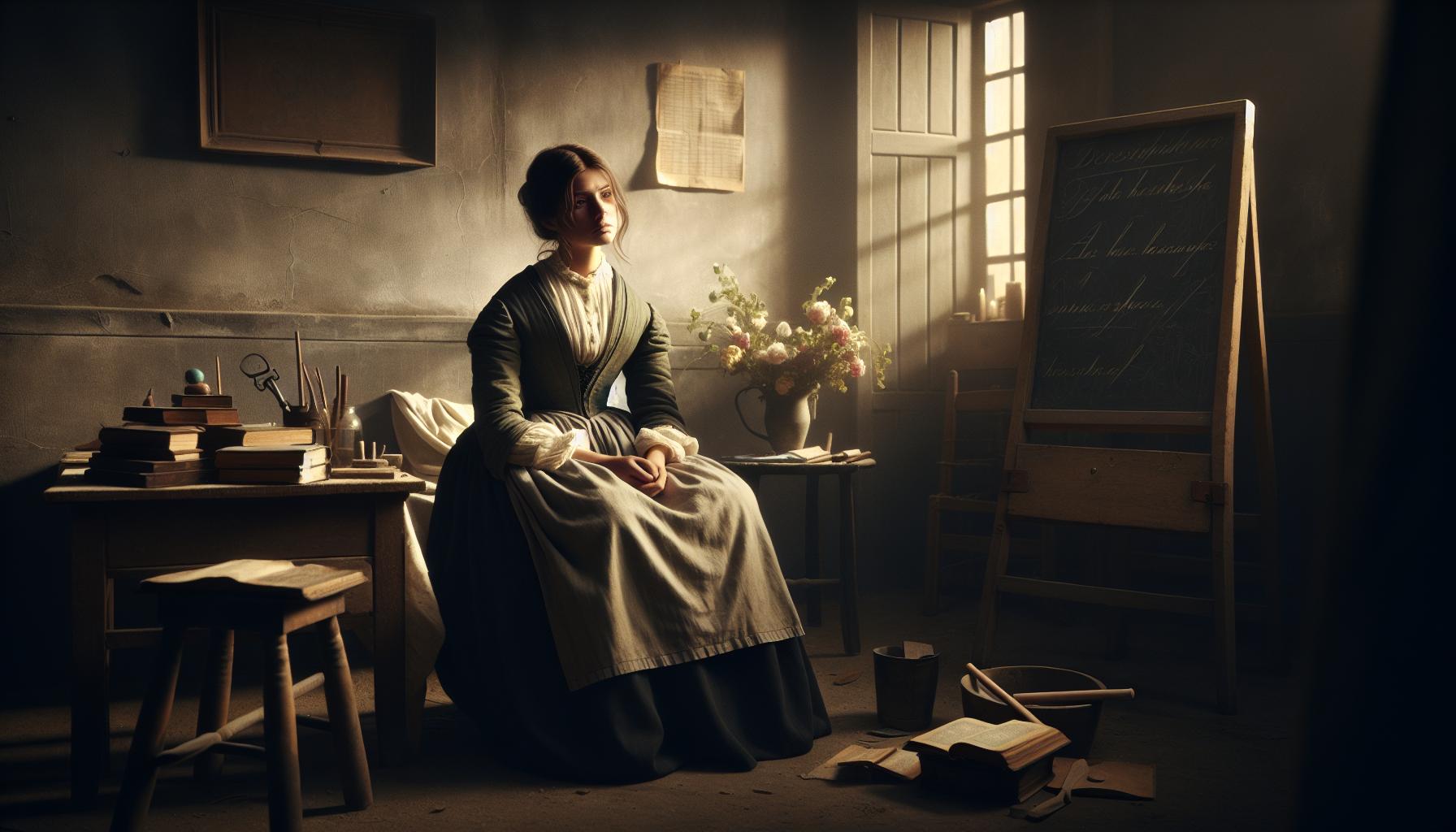
Agnes begins her journey with determination and agency by leaving home to become a governess with the Bloomfield family. However, she quickly becomes disillusioned and fails to make meaningful progress or learn from her experiences.
-
Jung & Religion – the many faces of God – and how to cope with them

This is the mystical or religious experience (of sorts) – experiences of this transcendent realm that, for centuries, men called God.
-
How might Stonehenge have been experienced and used by people in the prehistoric past?

What if, because of its form, Stonehenge possesses a unique, magical agency or potency that manifests in being experienced and or used as diversely as Jacquetta Hawkes has suggested?
-
Embrace the Darkness

Likewise, we would do ourselves a service to remember that living forever in the light is impossible.
-
The Western Esoteric Traditions (Part 9)

Jung believed a radical shift in human consciousness would characterise this new age: self-awareness would become the equivalent of God-awareness.