
Category: Psychology
-
The Things We Keep Alive

“It’s not about believing,” she says. “It’s about noticing when something notices back.”
-
The Deep Seam
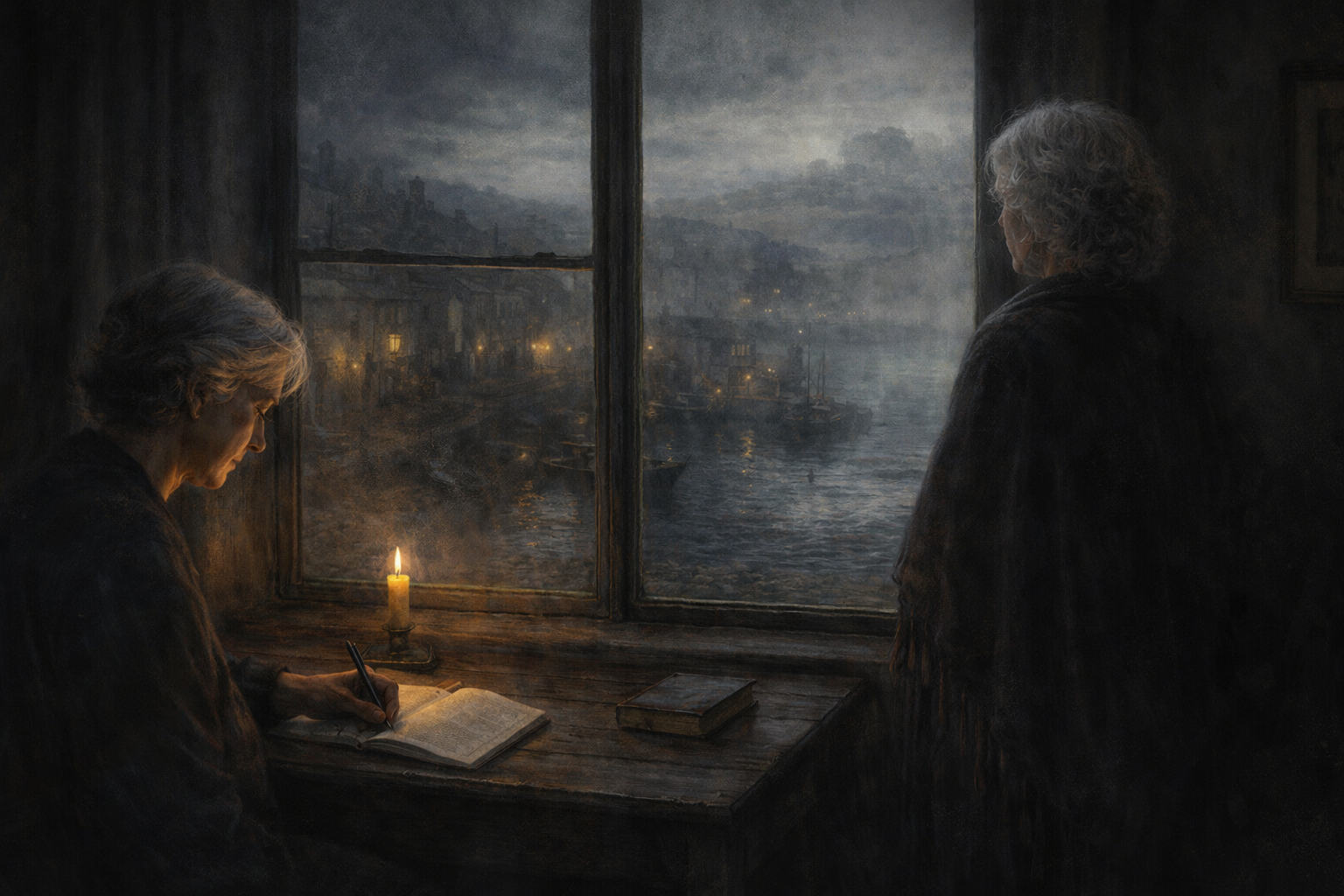
It is tempting—very tempting—to believe that leaving a difficult situation is the same as escaping it.
-
The Uncanny at Saltward Farm: Thresholds, Storms, and the Dignity of Burial

To understand how the novel works — and why it lingers — it helps to revisit what Freud, Heidegger, and Jung meant by “the uncanny,” and how their ideas illuminate both the story and our own lives.
-
“Allotted Portions” — A Conversation at Mystic Reads

“I’d have thought a policeman’s portion was trouble enough without anyone adding to it,” Wren said. His voice carried that dry London edge, the kind that sounded like it had been sharpened on sleeplessness.
-
The Invention of Evil: How the Devil Took Shape in Christian Thought
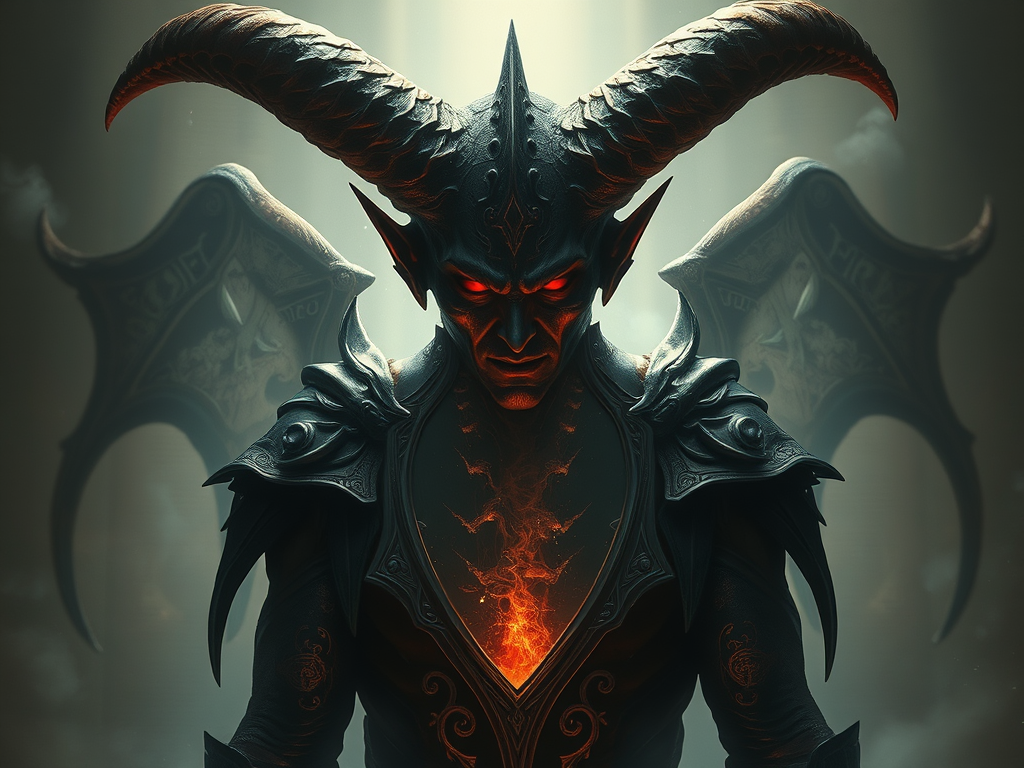
In the end, the Devil’s greatest trick may not have been convincing the world he doesn’t exist, as Baudelaire quipped, but persuading humanity to search for him only outside themselves.
-
Magic, Medicine, and Belief: Medieval Hodgepodge and Modern Echoes
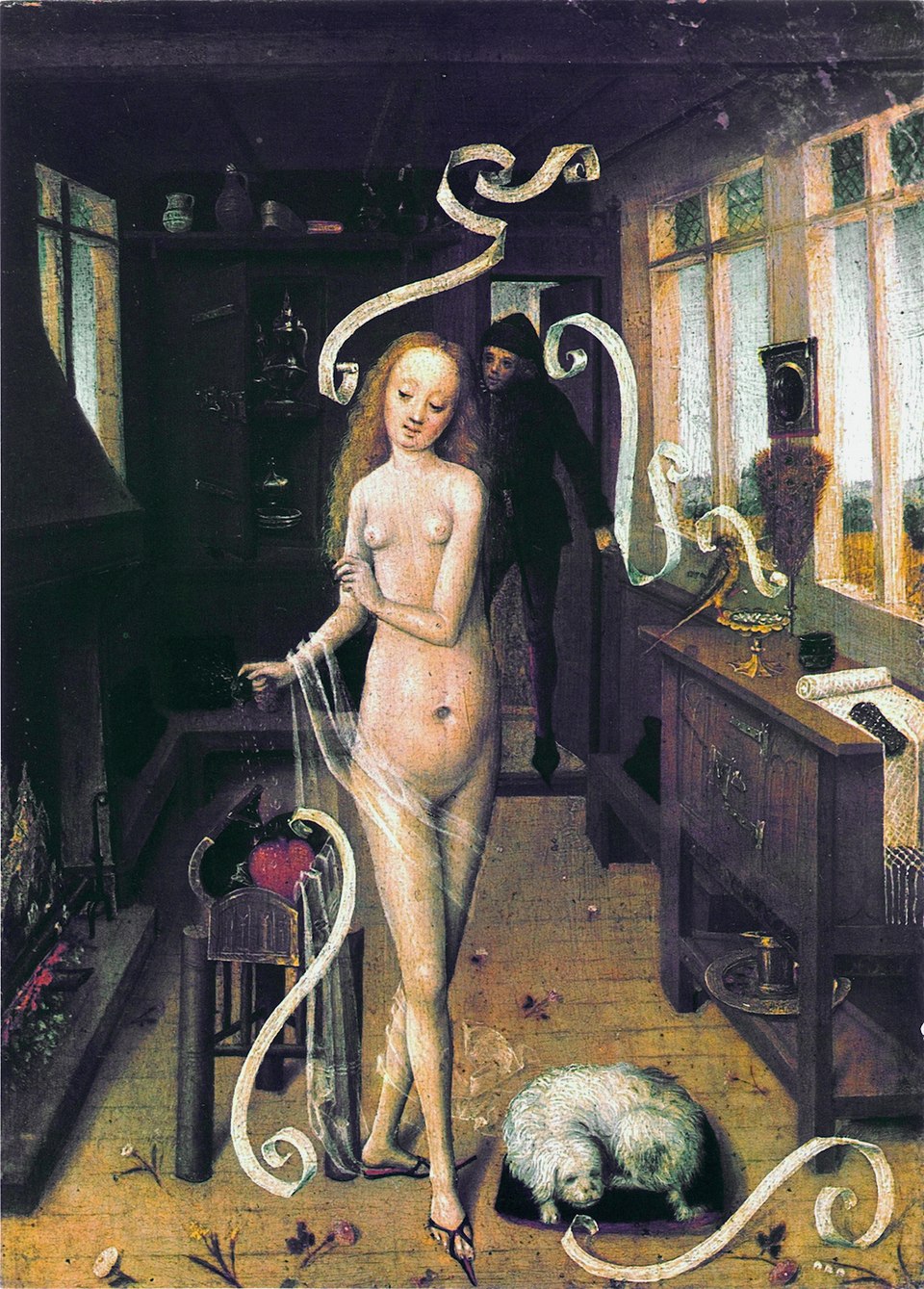
The painting Love Magic (1478–80), now in the Museum der Bildenden Kunst in Leipzig, offers a striking entry point into the medieval entanglement of science, religion, and magic. A young woman, nude but for delicate shoes and a transparent veil, sprinkles powder over what appears to be a heart in a casket. In the fifteenth century, the…
-
Veronica Speaks: On Ruskin, Murder, and the Beauty of a Shattered Truth

I believed a beautiful lie. And I acted on it.
-
The Art of Seeing: Ruskin, Heidegger, and the Eyes of Faerie
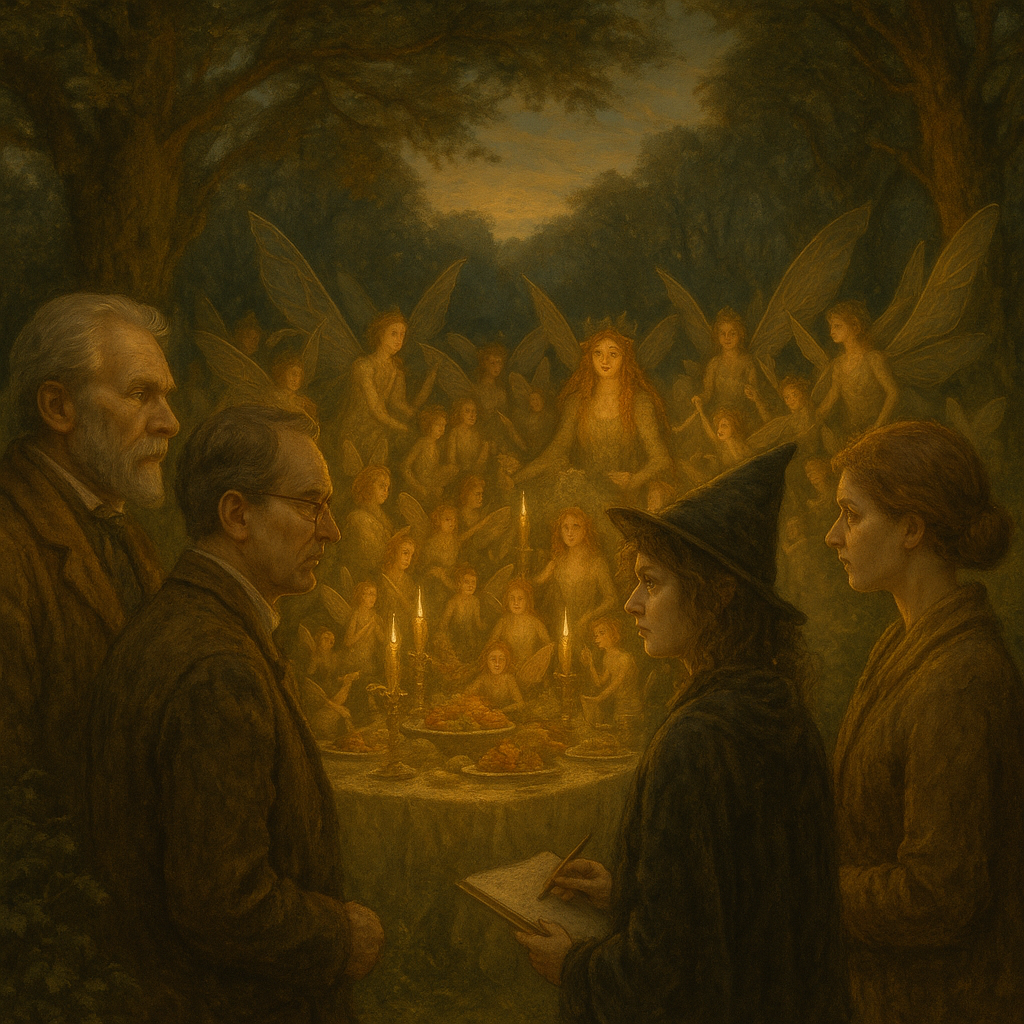
In Faerie, Lillian learned that some knowledge cannot be seized. It must be befriended. The most profound truths often appear sideways, not when we demand answers, but when we relinquish our hold.
-
The Cosmic Dance of the Soul by Dr Lillian Hartley (13)

As we transition into the Age of Aquarius, the soul’s journey takes on new meaning.
